
Window film is a quiet upgrade that does a surprising amount. A thin film, usually polyester, applied to the inside of your glass can cut ultraviolet light, tame heat and glare, add privacy and a measure of security, and tidy the look of a home, all while keeping the natural light. Here are ten real benefits of residential window tinting, with honest notes for an Alberta climate and a couple of common myths worth clearing up before you decide.

It blocks most UV light
The headline benefit is ultraviolet control. Quality window film blocks up to 99 per cent of the UV that passes through ordinary glass, which is mostly the UVA that reaches you indoors near a sunny window. Cutting that exposure is good for the people in the room and for everything the sun falls on, and it is the foundation of several of the benefits below.
Less fading of your furnishings
Because film removes most of the UV and some of the heat and visible light that bleach materials, it slows the fading of furniture, flooring, artwork, drapes and anything else exposed to direct sun. Colours hold their depth for longer, which protects the things you have spent money on and keeps a room looking the way it was meant to.
Less summer heat gain
Solar-control film reflects and absorbs part of the sun’s heat before it enters, so rooms stay cooler and more even through the summer, with fewer of the hot spots you get beside a south or west-facing window. On a hot Alberta afternoon, that is the difference between a room you avoid and one you can use.
A lower cooling load, modest in our climate
Less heat coming in means an air conditioner works less in summer, which trims cooling costs. An honest note for here, though: Alberta’s cooling season is short and our energy use is dominated by heating, so the summer saving is real but modest rather than dramatic. Some low-emissivity films also help hold heat in during winter, which is the more useful direction in this climate, so ask which type suits your needs.
Glare reduction
Film cuts the harsh glare and bright reflections that make a room hard to be in on a sunny day. That is easier on the eyes for reading or working, and it makes a real difference to screens, so the television, monitor or tablet is not washed out by a window behind or beside it.
Daytime privacy, with an honest caveat
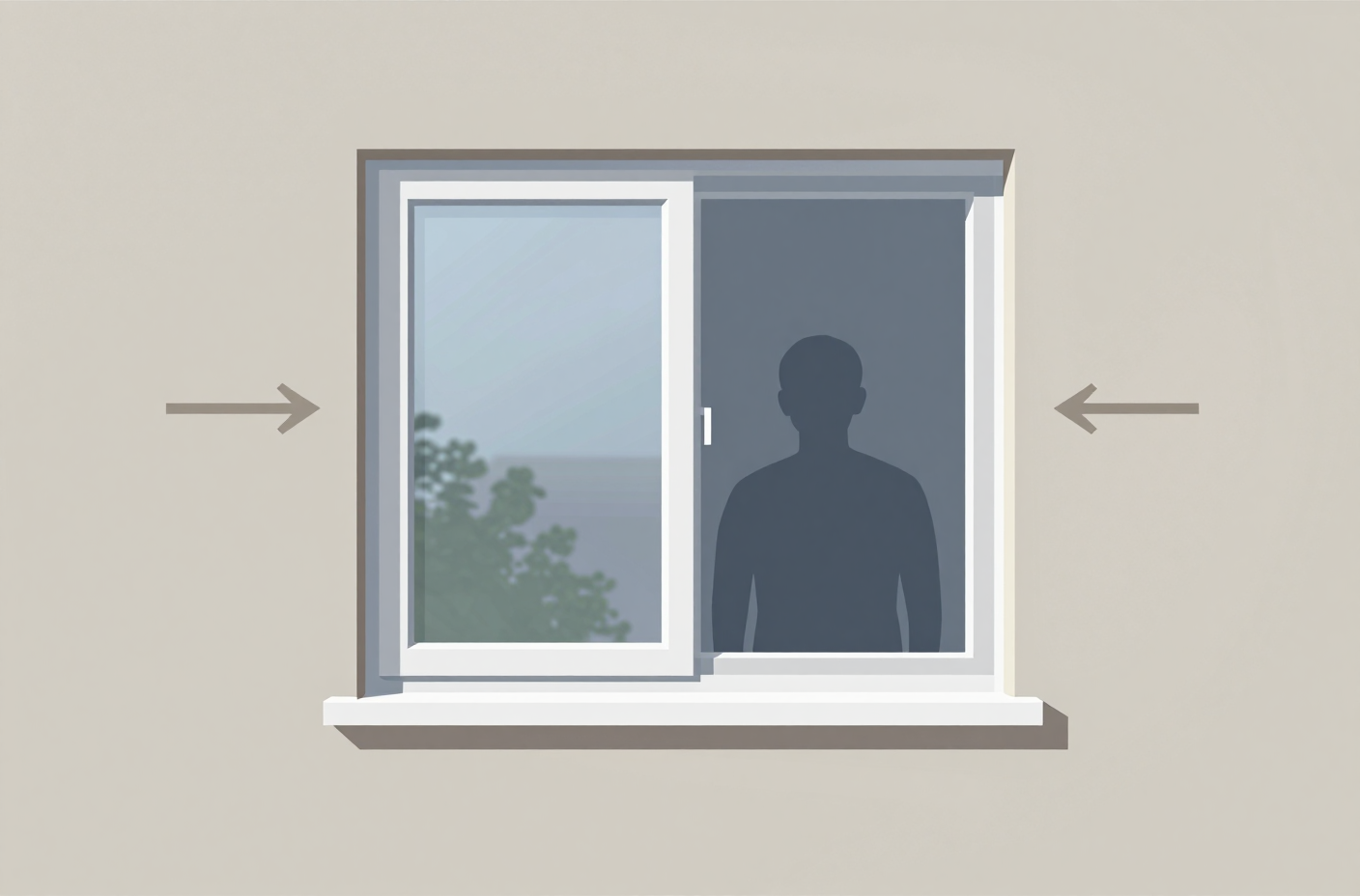
Reflective film gives one-way privacy during the day: you can see out, while people outside mostly see a mirrored surface, because it is brighter outside than in. Here is the part the brochures tend to skip. After dark, when your interior lights are on and it is brighter inside than out, that effect reverses, and people can see in. Reflective film is not a nighttime privacy solution, so pair it with blinds or curtains for the evening rather than relying on the film alone.
Added security and shatter resistance
Security film holds broken glass together if a pane is struck, which slows a break-in and reduces the risk of injury from flying shards. It is worth being precise about what that means: the film is a deterrent and a delay, buying time and making forced entry harder, not unbreakable glass. It performs best when it is well applied and, for the strongest result, anchored at the frame.
A cleaner, more modern look
Film can give a home a sleek, consistent appearance from the street, and it comes in a range of shades, finishes and decorative or frosted options. That lets you lift the look of a facade or add a designed touch to specific windows, for style or for privacy, without replacing any glass.
Easy to look after
Tinted windows are low-maintenance once the film has cured. Clean them with mild soapy water and a soft, non-abrasive cloth, and avoid abrasive pads and harsh or ammonia-based cleaners that can mark or degrade the film. That gentle routine keeps it clear and intact for years.
A slightly smaller footprint
Because film cuts summer cooling, it nudges your energy use and carbon footprint down. It is a sensible, modest gain rather than a dramatic one, especially in a heating-dominated climate like ours, and many films are made from recyclable materials, so it is a small step in a greener direction alongside the comfort it brings.
Choosing the right film for your home
Film is not one product but several, solar-control, low-emissivity, security and decorative, each suited to a different goal, so matching the film to your windows and what you want from them matters. One technical caution worth knowing: applying after-market film to certain sealed double-glazed units can create thermal stress or affect the window’s warranty, so it is not a blanket fit for every window. A professional assessment sorts out which film suits which glass, which is part of how the team approaches residential glass work. Getting that match right is what turns a good idea into a result you are happy with.
FAQs
Ready to get help with your glass issue?
This guide is informational; if residential window film is something you are weighing up, the team can help you choose and confirm it suits your glass. Request a free quote or explore our residential glass services. Call 310-GLAS (4527), text 780-652-1296, or book online.