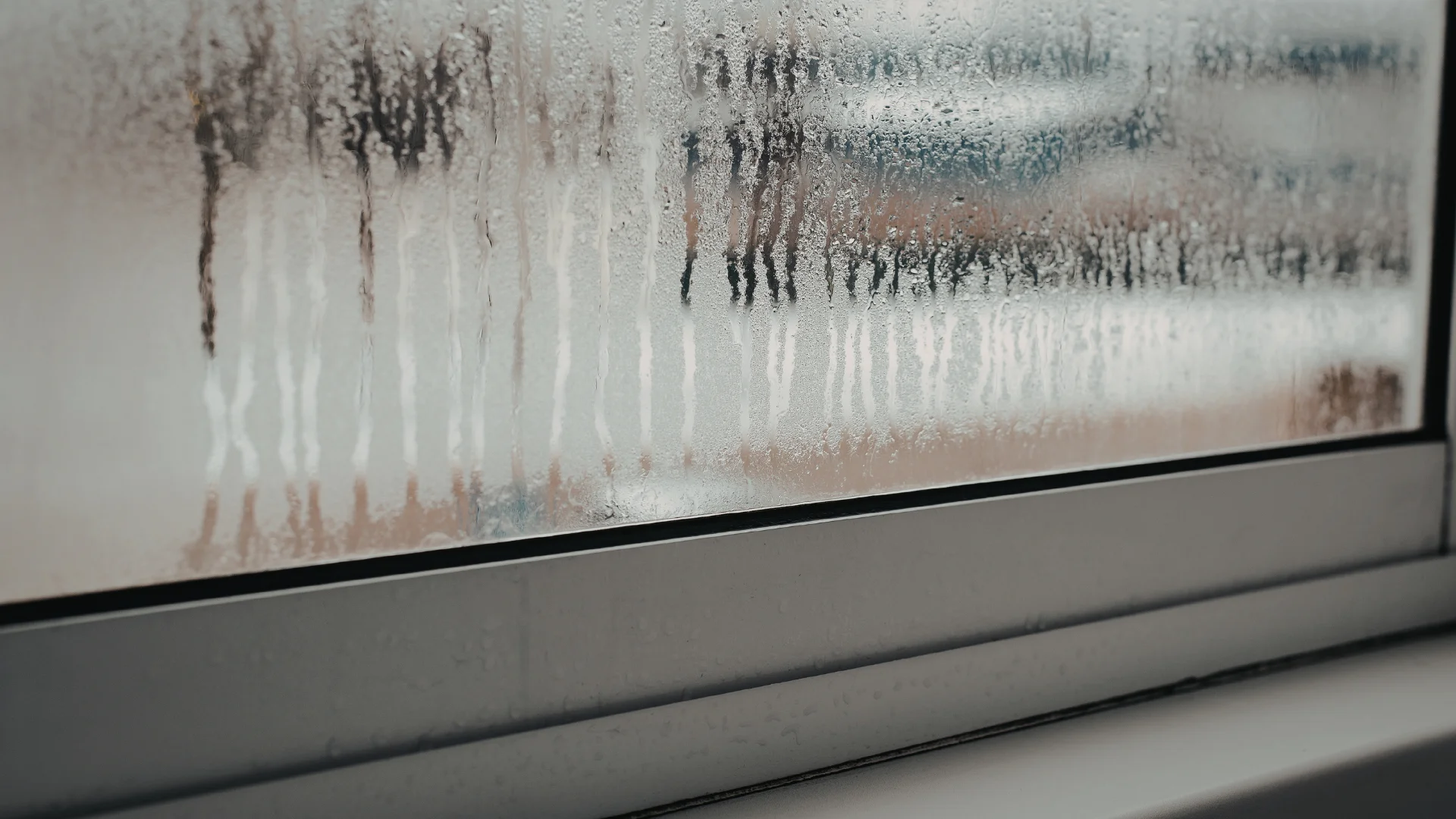
The “Foggy Window” is a common failure in double-pane windows where seal failure lets condensation and fog form between panes, degrading insulation and visibility; you should inspect age, extent of fogging, drafts, and energy bills to decide whether a sealed-unit repair (defogging or reseal) will be cost-effective or whether a full window replacement is the smarter long-term choice.
Understanding Double-Pane Windows
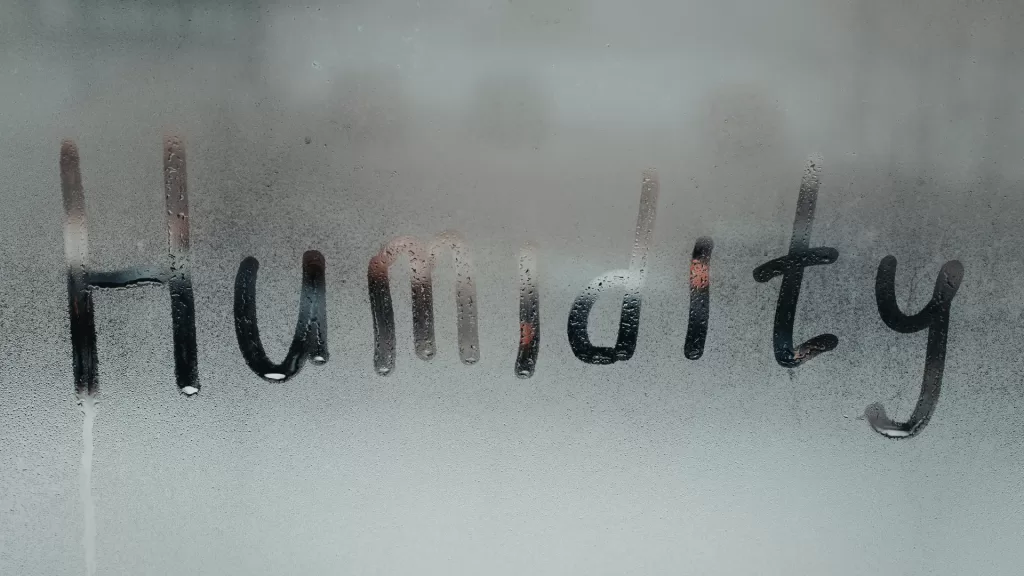
Double-pane window assemblies consist of two glass lites separated by a sealed spacer and a 6-12 mm (1/4-1/2 in) airspace, often filled with argon. When you diagnose fogging, knowing the components-spacer, desiccant, gas fill, Low‑E coating-helps pinpoint failures; modern argon-filled Low‑E units typically achieve U‑factors around 0.25-0.35 and service lives of 10-20 years before seal degradation becomes likely.
What Are Double-Pane Windows?
You know them as insulated glass units (IGUs): two panes of glass permanently sealed at the edges with a spacer that contains desiccant to absorb moisture. Manufacturers vary gas fills (air, argon, krypton), spacer materials (aluminum, stainless, warm‑edge), and coatings; typical IGU thickness ranges 12-25 mm (1/2-1 in) total, with performance depending on glass thickness, gap size, and Low‑E coatings.
Common Benefits of Double-Pane Windows
You can expect improved thermal performance, lower energy bills, and reduced condensation compared with single‑pane glass. In many homes, swapping single‑pane for argon-filled Low‑E double‑pane cuts heating and cooling energy by roughly 10-25%, raises interior surface temperature to reduce cold drafts, and can boost acoustic isolation by a few decibels when optimized.
For example, in cold climates an argon-filled Low‑E double‑pane can lower winter heat loss by up to about 20%, translating to measurable savings on heating bills; payback often falls between 5-15 years depending on energy prices and existing insulation. You should also note that sound reduction and condensation control depend on airspace width and glass configuration-laminated or asymmetrical panes improve acoustics and durability.
The Foggy Window Phenomenon
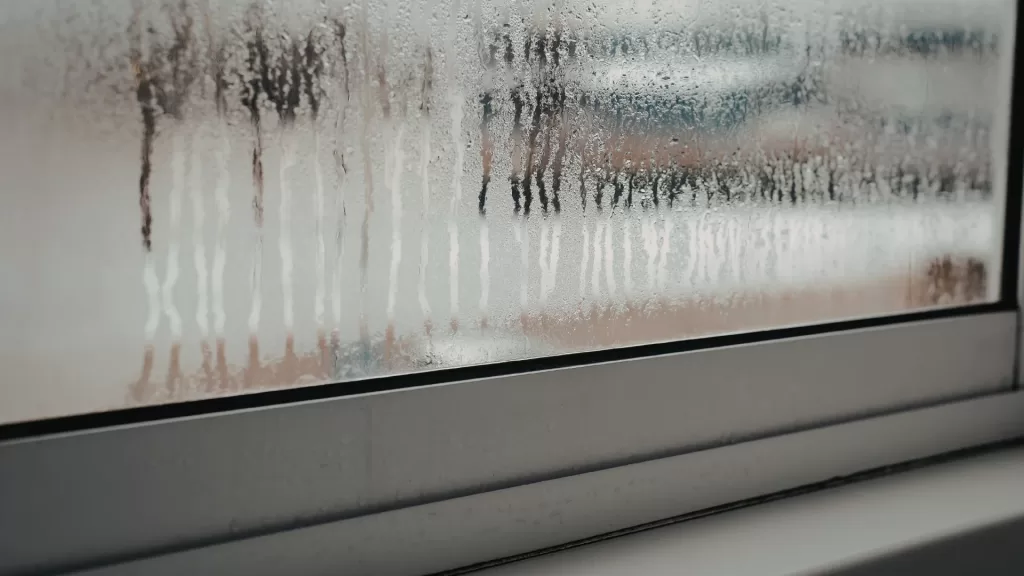
When moisture collects between panes, you’re seeing a sealed-unit breach rather than mere surface condensation; that internal fog signals lost insulating gas and a saturated desiccant. You’ll notice clouding, streaks, or full-frame whitening that worsen with temperature swings, and in many units this develops within 5-15 years depending on manufacturing, installation, and exposure. Addressing it promptly prevents larger envelope issues and helps you decide whether a spacer reseal or full replacement makes sense.
Causes of Fogging in Double-Pane Windows
Seal failure is the primary culprit: perimeter sealant or spacer corrosion allows humid air inside the cavity, and the desiccant becomes saturated so moisture condenses on the cold surface. Thermal stress from sun/shade cycling, impact during installation, and poor edge seal adhesives accelerate degradation. Factory defects and diffusion of inert fills (argon/krpton) over years also reduce performance; lower-quality units commonly show signs of fogging within a decade.
Implications of Fogging on Window Performance
Fogged IGUs reduce visible clarity, lower insulating value, and can foster frame and sill moisture problems you’ll notice as stains or musty odors; thermal performance can fall by roughly 10-20% when fill gas is lost, raising your HVAC load. You may also face glazing warranty denials if units show external damage, and multiple fogged panes often indicate broader installation or envelope issues rather than isolated defects.
For a practical example, in a cold-climate, south-facing living room a single failed double-pane unit can make a window feel noticeably colder at the glass and contribute to higher heating demand; addressing that one pane can save you tens to a few hundred dollars annually per window, depending on energy costs and window size, while preventing potential rot or mold that would cost far more to remediate.
When to Repair Foggy Windows
You should opt for repair when fogging is localized, the frame is sound, and performance loss is modest. If the insulated glass unit (IGU) is under 10-15 years old and sash and hardware still operate, repairing or defogging can restore clarity and extend service life by 5-10 years. Repair often costs a fraction of full replacement and is sensible when only seals or spacer desiccant have failed.
Signs That Repair is Possible
If haze is confined between panes, moisture appears mainly at cooler times of day and clears occasionally, and spacers look intact without bowed glass, repair is likely viable. You’ll also have better outcomes when frames aren’t rotted and sealant hasn’t pulled away at corners. These indicators usually point to a failed seal rather than structural glazing problems that demand full IGU replacement.
Repair Techniques and Considerations
Common approaches include vacuum defogging with desiccant injection, resealing corners, or swapping the IGU. Typical defogging costs run $50-$250 per pane; replacing an IGU typically falls in the $150-$450 range depending on low‑E coatings or argon fill. You should factor in warranty length, expected thermal performance after repair, and whether glass thickness or coatings match existing units.
If you choose professional defogging, technicians typically drill 3-6 mm holes, evacuate moisture with a vacuum, add desiccant and reseal with structural silicone; the whole job takes 30-90 minutes per unit. Your success rate depends on spacer integrity and thermal stress-expect 60-80% effectiveness on non‑bowed IGUs. DIY kits rarely match pro vacuuming; plan for full IGU replacement when spacers are corroded or glass is visibly distorted.
When to Replace A Foggy Window
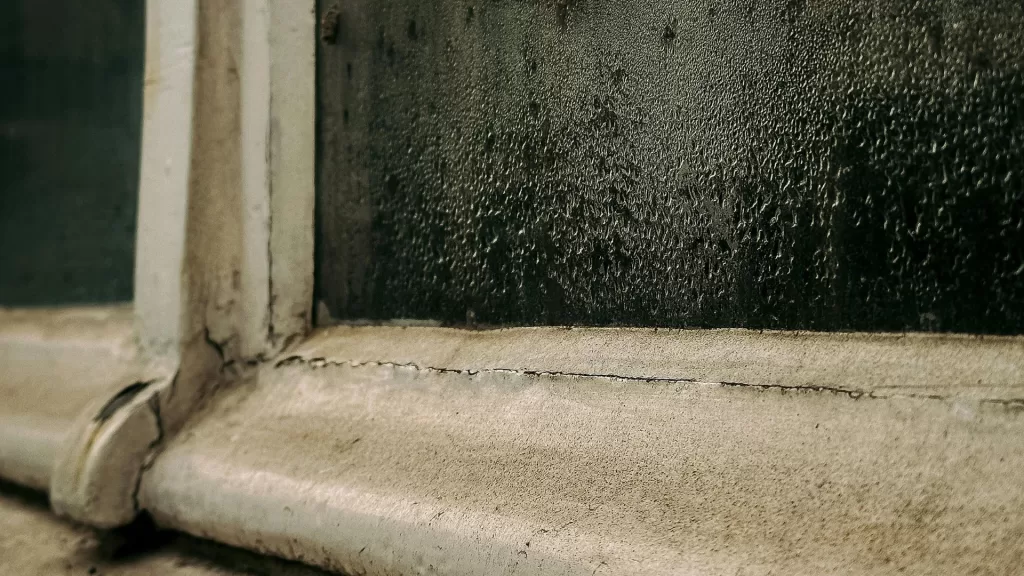
You should replace foggy windows when seal failures are widespread, insulating performance drops visibly, or frames show rot, warping, or corrosion. Insulated-glass units (IGUs) typically last 15-20 years; if several units age together or fog returns after seal repairs, replacement is usually more cost-effective. Also factor in a sustained 5-20% rise in heating/cooling bills, recurring comfort complaints, or visible structural damage around the opening.
Indicators That Replacement is Necessary
If fogging appears across multiple rooms or on more than one window, that signals systemic failure rather than an isolated breach. You should also look for bent or split frames, visible spacer corrosion, persistent interior condensation after attempted repairs, or NFRC U-factors well above current recommendations (for example, >0.40 in cold climates). Multiple simultaneous issues or failing hardware and seals typically justify replacement over repair.
Choosing the Right Replacement Windows
Base your choice on climate, performance targets, and budget: aim for a U-factor under 0.30 in cold zones and choose SHGC values that balance solar gain for your region. You should prefer low‑E coatings, argon gas fills for most installs, warm‑edge spacers, and NFRC-labeled products; frame materials-vinyl, fiberglass, or wood-affect longevity and maintenance. Expect typical replacement costs to range widely by size and feature.
For finer trade-offs, consider triple-pane units if you need a 30-50% improvement in thermal performance, especially for noisy or very cold locations; krypton fill outperforms argon in narrow glazing gaps but can cost 30-50% more. You should insist on accurate rough‑opening measurements, certified installers, thermal‑break frames or warm‑edge spacers to reduce condensation, and warranties of 10-20 years on seals and coatings.
The Foggy Window Cost Considerations
When weighing repair versus replacement you should map immediate outlays against long-term savings: a simple IGU seal repair might cost $75-$250, while a full-frame replacement often runs $300-$1,200 per window depending on size and materials. You’ll factor in labor, disposal, and any energy-efficiency upgrades like Low-E glass, and compare that to estimated HVAC savings and comfort gains to decide which option delivers better value over time.
Understanding Repair Costs
If you choose repair, expect common services such as reglazing, seal replacement, or professional defogging to range from $50 to $300 per window; labor and accessibility can push that higher. You should also consider whether parts like sash balances or hardware need replacement-those typically add $20-$150 each-and confirm whether the unit’s age or warranty status makes repairs cost-effective versus recurring failures.
Understanding Replacement Costs
Full replacement prices depend on frame material, glass type, and installation complexity: basic replacement sashes might run $300-$600 while premium units with fiberglass frames and triple-pane or Low-E/argon glass reach $800-$1,500 per window. You should also budget for full-frame replacements when rot or structural damage exists, which increases labor and can double the cost in worst-case scenarios.
For broader projects, multiply per-window estimates: replacing 10 standard windows typically costs $3,000-$12,000. You should include potential rebates, local energy-efficiency incentives, and projected energy savings-often yielding payback periods of 5-15 years depending on climate and HVAC use-when calculating lifecycle cost versus repeated repairs.
Foggy Window Preventative Measures
To slow seal failure and fogging you should adopt a routine: inspect seals annually, clean tracks and sills every three months, and keep exterior caulking fresh-typically every 5-7 years. Prioritize units installed over a decade ago since most insulated glass seals begin to fail between 10 and 20 years. Addressing small frame rot, loose hardware, or clogged weep holes early prevents pressure imbalances that draw moisture into the glass cavity.
Maintaining Window Integrity
You should check glazing and frames seasonally: look for cracked sealant, condensation between panes, or loose spacer bars. Lubricate moving parts with silicone spray and clear dirt from tracks quarterly to prevent stress during operation. If frames are wood, repaint or refinish every 3-5 years to stop moisture intrusion; aluminum and vinyl need periodic caulk refreshes at joints to maintain the airtight seal that keeps insulating gas and performance intact.
Tips for Extending Window Lifespan
You can extend service life with targeted actions: replace weatherstripping about every five years, re-caulk exterior joints every 5-7 years, and keep gutters and downspouts clear to avoid splashback onto sills. Consider low-e film or storm windows as a retrofit to reduce thermal cycling and UV exposure, and prioritize professional inspection if you notice fogging or a sudden rise in heating/cooling bills.
- Inspect seals and edges annually; fog or black residue indicates seal compromise.
- Clean frames and tracks every three months to prevent binding and uneven stress on glazing.
- Reapply exterior silicone or polyurethane caulk every 5-7 years to maintain a continuous weather barrier.
- This reduces moisture intrusion, pressure differentials, and risk of insulating-gas loss.
You should weigh repair options based on measurable signs: if U-factor or visible condensation has worsened and the unit is over 12 years old, replacement often yields better long-term efficiency than reglazing; however, isolated seal failures on newer units can be repaired or reglazed for roughly 30-50% of replacement cost. For argon-filled units, expect noticeable gas loss and performance decline after about 10-15 years-schedule a professional assessment when surface temperatures or HVAC loads change significantly.
- Replace worn weatherstripping every ~5 years to keep sash compression even and seals functional.
- Refinish wood frames every 3-5 years and touch up aluminum/vinyl joint caulks as needed.
- Use storm windows or low-e films to lower UV and thermal stress on the IGU.
- This preserves seal life and delays costly full-unit replacement.
The Foggy Window Conclusion
Presently you should understand that double-pane windows fog when seals fail, allowing moisture and gas loss that reduces insulation and clarity; minor seal failures or single-unit fogging can often be repaired or the glass unit replaced, but widespread frame damage, warped sashes, or persistent energy loss warrant full window replacement to restore efficiency and curb appeal; prioritize based on energy cost, repair lifespan, and warranty to decide whether to repair or replace.