With beveled mirrors, you can transform the aesthetic of your space effortlessly. These mirrors feature polished edges that create a subtle yet striking visual effect, enhancing light and depth in any room. By incorporating beveled mirrors into your decor, you not only elevate the elegance of your environment but also gain a versatile decorative element that complements various styles. Discover how these mirrors can serve as both functional and stylish pieces in your home.
Understanding Beveled Mirrors
Beveled mirrors offer a unique way to enhance your decor. The angled edges of these mirrors create a dimensional effect, adding interest and elegance to any room. They reflect light beautifully, making your space appear larger and more inviting while showcasing your personal style.
Definition and Characteristics
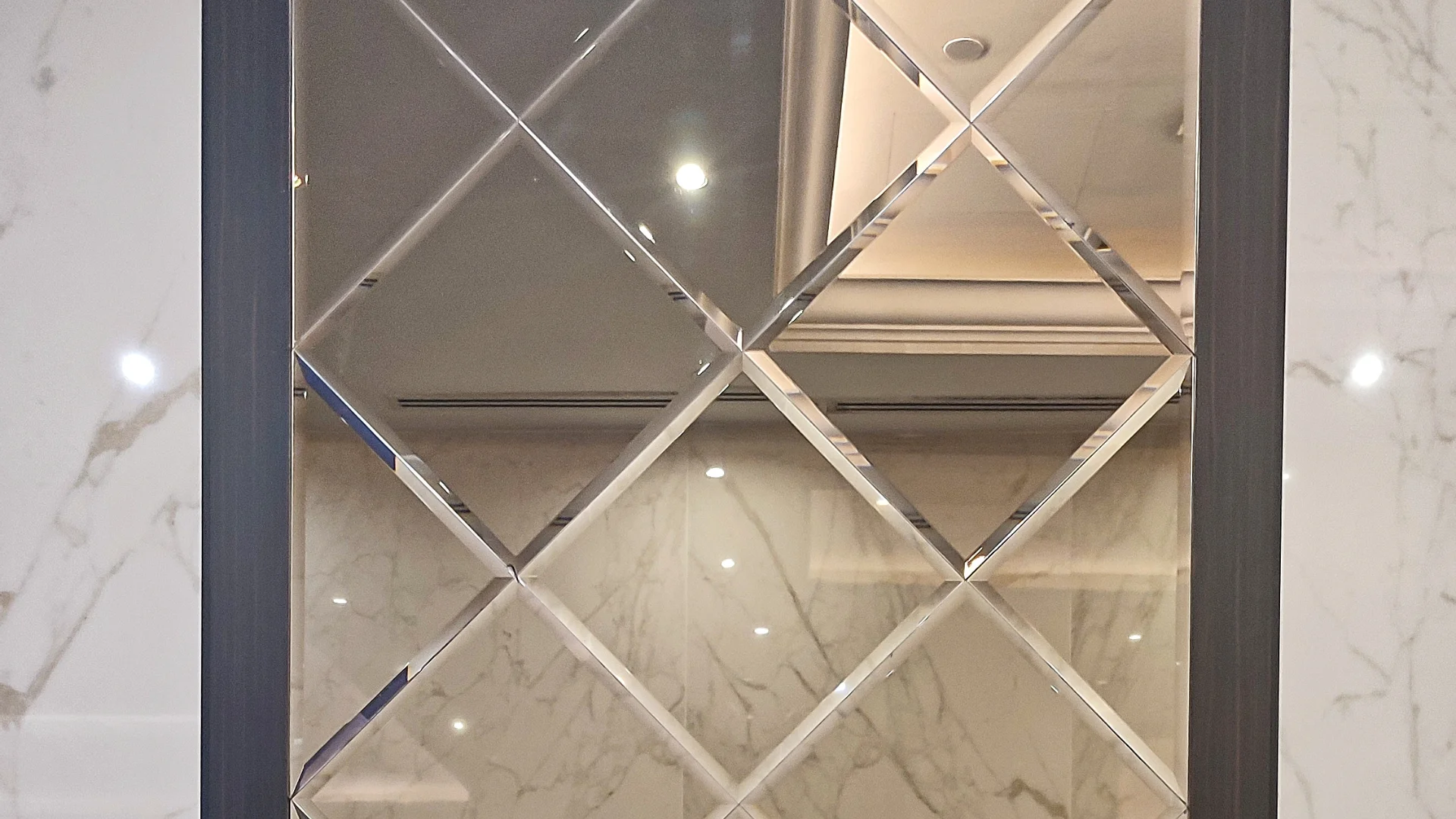
A beveled mirror features edges that are cut at an angle, producing a smooth, finished border. This design not only enhances aesthetics but also minimizes sharp edges, making the mirror safer for use. The polished surface reflects light in a refined way, elevating the overall ambiance of your environment.
Types of Beveled Edges
Various beveled edges exist, each contributing differently to your decor’s style. You might encounter straight, curved, or ornate bevels. Straight bevels are classic and timeless, perfect for contemporary designs, while curved edges offer a softer, more vintage look. Ornate bevels can feature intricate patterns, ideal for creating an eye-catching focal point.
| Straight Bevel | Classic and simple, suitable for modern interiors. |
| Curved Bevel | Softens the look, often used in vintage designs. |
| Ornate Bevel | Features intricate detailing, creating a statement piece. |
| Double Bevel | Two angled edges for added dimension and elegance. |
| Custom Bevel | Tailored to fit specific design needs and preferences. |
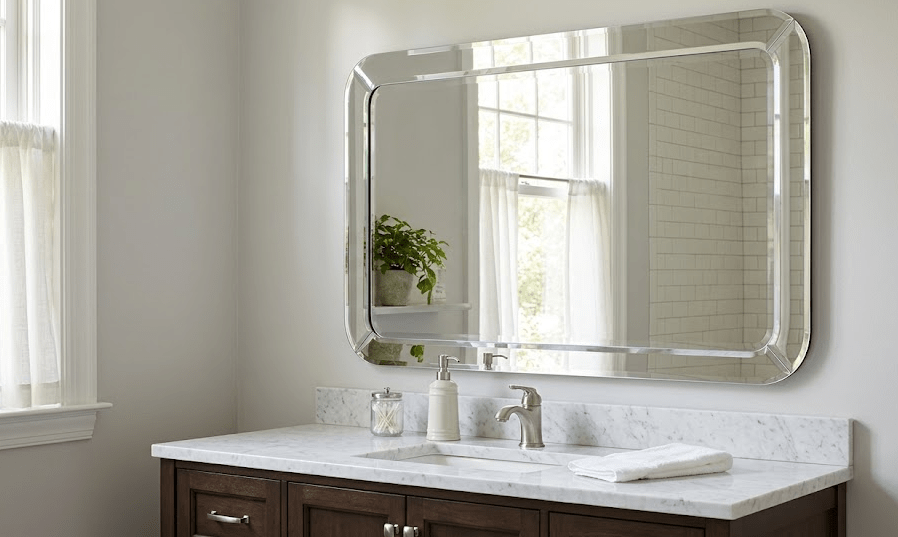
Understanding the types of beveled edges can help you choose the perfect mirror that fits your aesthetic vision. Each style has its unique appeal, impacting how light reflects and how the mirror complements your decor. For instance, a straight bevel could suit minimalistic spaces, while an ornate bevel might be more suitable for traditional decor themes.
| Straight | Timeless appeal, enhances modern decor. |
| Curved | Creates a gentle feel, ideal for rustic themes. |
| Ornate | Draws attention, perfect as a statement piece. |
| Double | Adds depth, works great in layered designs. |
| Custom | Allows personalization, aligns with your style. |
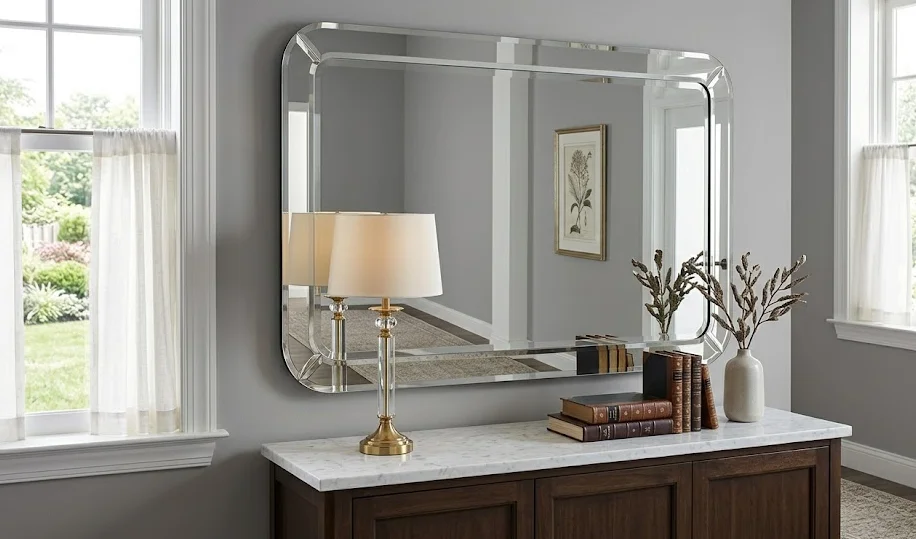
Assume that choosing the right bevel type can transform the function and aesthetic of your mirror.
The Aesthetic Appeal of Beveled Mirrors
Beveled mirrors exude a timeless elegance that enhances any space, transforming a room’s atmosphere. The subtle angles on the edges reflect light differently, creating a soft glow and inviting more visual depth. These mirrors work well in various settings, from contemporary to classic, making them a versatile choice in design. Their presence adds sophistication and can serve as a focal point, tying together the elements of your decor effortlessly.
Enhancing Room Ambiance
You can elevate the mood of your room significantly by incorporating beveled mirrors. Their reflective qualities amplify natural and artificial light, making spaces feel larger and brighter. Additionally, they can soften harsh lighting, creating a more inviting atmosphere. Positioning a beveled mirror across from a window or light source will enhance its ambient effects, ensuring that the entire room feels warmer and more welcoming.
Creating Visual Interest
Incorporating mirrors into your decor strategy instantly enriches the visual narrative of your rooms. The play of light and the intricate edges not only draw the eye but also serve as conversation starters. For instance, grouping various sizes and shapes of beveled mirrors can create a stunning gallery wall effect, or positioning a large beveled mirror above a mantel can add depth to that area. This layering of textures and reflections fosters a dynamic environment that keeps the eye engaged.
A well-placed beveled mirror creates intriguing focal points in your space. You can use detailing, such as a vintage frame or a modern minimalist design, to highlight the mirror’s features. Play around with different orientations and accompanying decor, like potted plants or artwork, to enhance visual interest further. This layered look not only makes your room feel lived-in but also turns simple reflections into extraordinary aesthetics, ensuring that every glance towards the mirror is rewarding.
Placement and Design Tips
To maximize the impact of beveled mirrors, consider their placement and design integration. Strategically positioning these mirrors can create depth and style in your space.
- Hang mirrors at eye level for optimal viewing.
- Position them to reflect light sources, enhancing brightness.
- Use multiple mirrors to create an expansive feel in smaller rooms.
- In large spaces, opt for oversized beveled mirrors for drama.
- Frame mirrors with decor that echoes their style.
Recognizing how placement influences ambiance is key to making beveled mirrors a focal point.
Best Locations for Beveled Mirrors
Beveled mirrors thrive in entryways, living rooms, and over mantels, where they can capture attention and light. Ensure the area is well-lit to accentuate the mirror’s features, especially in darker rooms. Placing a mirror opposite a window invites natural light to bounce around the space, creating an airy and open atmosphere.
Complementary Decor Styles
Beveled mirrors enhance various decor styles, from classic to contemporary. They seamlessly integrate with traditional furnishings, modern minimalism, and even eclectic designs, thanks to their versatile elegance. By selecting frames and finishes that resonate with your existing decor, you can amplify the cohesiveness of your interior design.
For instance, in a farmhouse setting, a distressed wooden frame can perfectly complement rustic elements, while a sleek metallic frame suits a contemporary aesthetic. Incorporating beveled mirrors with artwork or decorative panels will further unify your design, echoing the textures and colors in your space. Harmonizing these styles will enrich your overall aesthetic, creating a visually appealing balance that enhances your home’s character.
Practical Benefits of Beveled Mirrors
Beveled mirrors are not just aesthetically pleasing; they also come with several practical benefits that can enhance your living space. Their unique design allows for versatile displays and can easily complement any decor style, helping you achieve a polished look with minimal effort. Additionally, they serve functional purposes, making them a smart choice for both style and utility.
Illusion of Space
By incorporating beveled mirrors into your home, you can create an illusion of expansive space. The reflective surfaces bounce light around the room, making even small areas feel larger and more open. This effect is particularly useful in compact living quarters where maximizing visual space is vital.
Increased Light Reflection
Beveled mirrors enhance light reflection, brightening up your space significantly. The angled edges catch and redirect light, creating a more inviting atmosphere. Whether placed in a dimly lit hallway or above a dark fireplace, these mirrors work wonders at amplifying natural and artificial light sources.
The increased light reflection from beveled mirrors can dramatically change the ambience of a room. Studies show that well-lit spaces can improve mood and productivity. By strategically positioning a beveled mirror opposite a window or light fixture, you enhance the overall brightness, making the room feel vivid and alive. This property is not only beneficial during daytime but also enriches the environment during the evening by reflecting artificial lighting for a cozier feel.
Care and Maintenance
Proper care and maintenance will keep your beveled mirrors looking their best for years. Regular cleaning and appropriate handling are important to prevent wear and tear, ensuring that the distinctive elegance of the beveled edges is preserved while enhancing your space. It’s important to understand the right techniques to maintain your mirror’s clarity and shine.
Cleaning Techniques
When cleaning your beveled mirrors, use a soft, lint-free cloth and a gentle glass cleaner. Avoid abrasive materials, as they can scratch the surface. For optimal results, clean in a circular motion, ensuring that the edges, where the beveling occurs, receive attention to prevent buildup that might obscure their definition.
Avoiding Damage
To prevent damage to your beveled mirrors, always handle them with care and avoid placing them in areas with high humidity or extreme temperature fluctuations. Ensure that they are mounted securely, as a fall can lead to chipping or cracking, particularly around the beveled edges, which are more fragile than flat surfaces.
Placing beveled mirrors away from direct sunlight also helps, as prolonged exposure can lead to discoloration or distortion of the glass. Use protective backing when installing, and opt for wall mounts rather than lean against furniture. When moving the mirror, hold it securely by the frame and avoid touching the glass directly. This minimizes fingerprints and ensures the integrity of the beveling is maintained during transport.
Common Misconceptions
Many believe that beveled mirrors are only suitable for traditional decor, but they actually complement a variety of styles, from modern to eclectic. Additionally, some think beveled edges create a distortion in the reflection, when in fact, the angled design enhances the mirror’s overall beauty without affecting clarity.
Beveled vs. Non-Beveled Mirrors
You might wonder about the differences between beveled and non-beveled mirrors. While non-beveled mirrors have flat edges that emphasize simplicity, beveled mirrors feature angled edges that add depth and sophistication to any space. This subtle design element draws the eye and enhances the mirror’s overall aesthetic appeal.
Myths About Durability
A common myth is that beveled mirrors are less durable than their non-beveled counterparts. In reality, the craftsmanship involved in creating beveled edges often uses high-quality materials, contributing to their longevity and resilience. Proper maintenance ensures that they can withstand everyday use just as well.
Additionally, the durability of beveled mirrors is often underestimated. While some may think that the angled edges are more prone to chipping or cracking, well-made beveled mirrors are designed to endure regular wear. Manufacturers typically use sturdy glass and reinforce edges to prevent damage. With the right care, you can enjoy the elegance of a beveled mirror without sacrificing durability. Regular cleaning with appropriate materials further enhances their lifespan, maintaining their beauty and functional integrity for years to come.
Beveled Mirrors Conclusion
Summing up, beveled mirrors not only reflect your style but elevate your space with their timeless elegance. You can enhance the ambiance of any room by incorporating these mirrors, as their angled edges create depth and sophistication. Whether in a living room, hallway, or bedroom, their unique design adds an instant touch of refinement that resonates with your personal aesthetic, making your environment feel more inviting and luxurious.