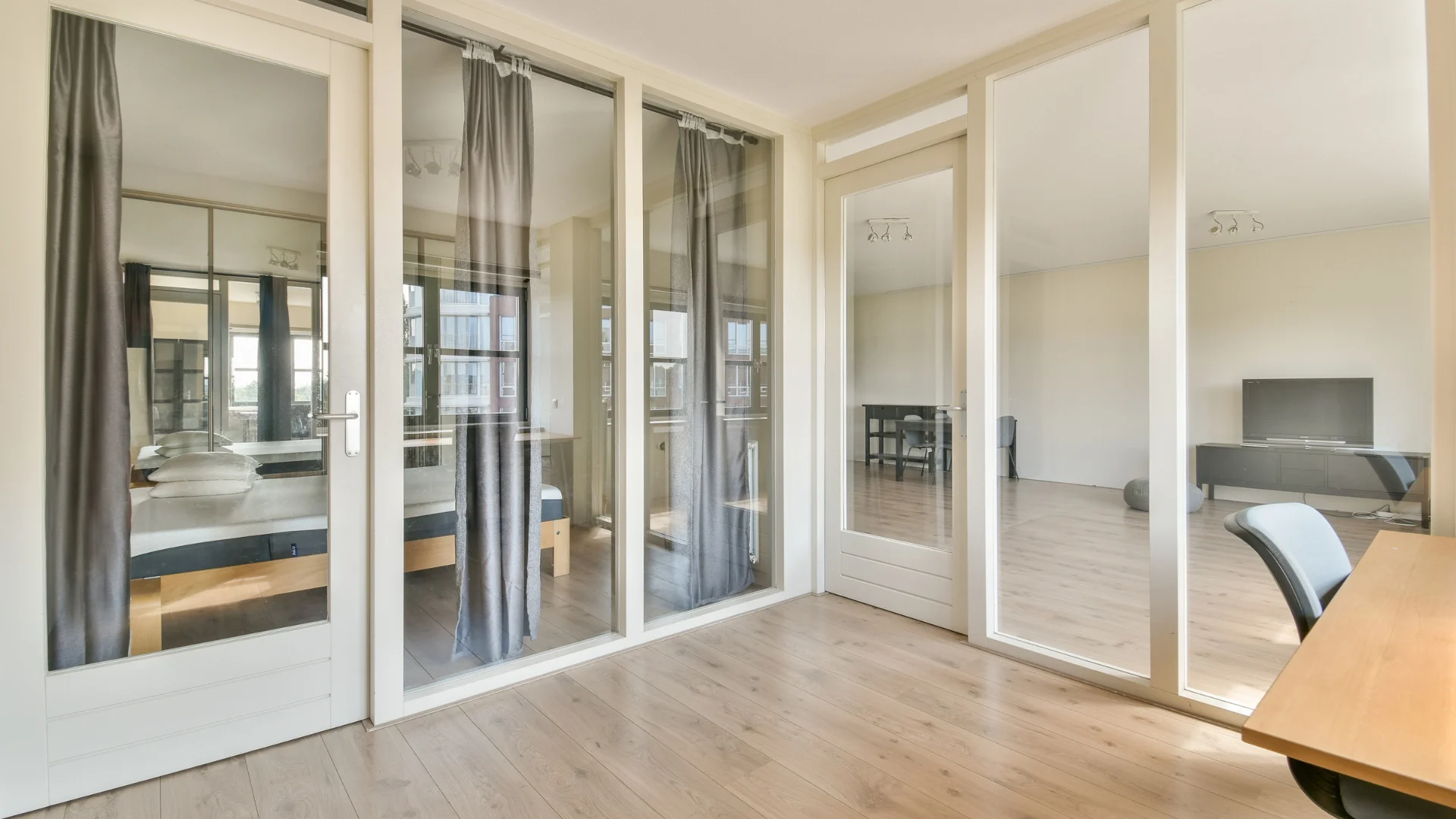
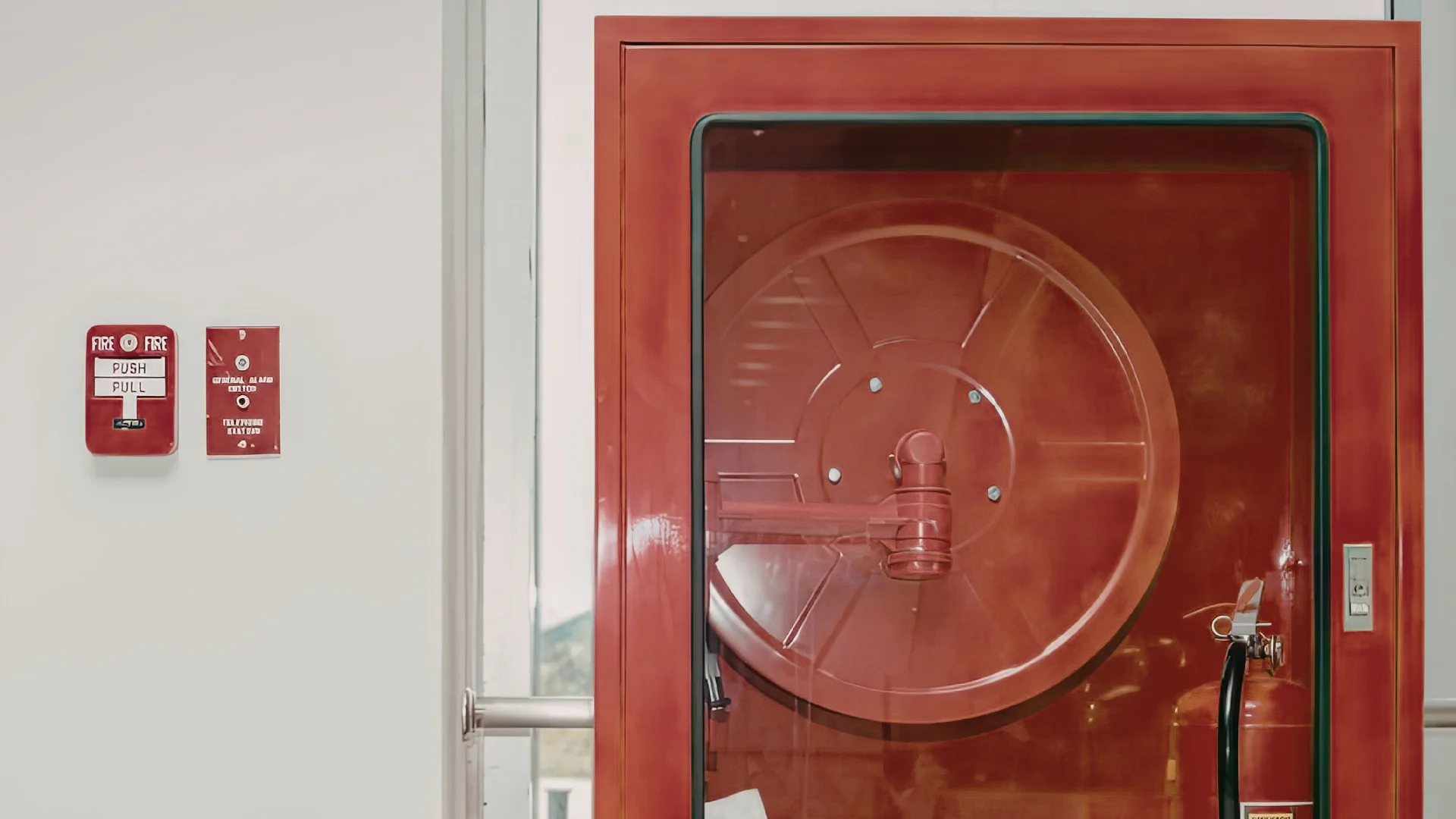
Many people may confuse fire rated glass with tempered glass, but understanding their distinct characteristics is necessary for making informed decisions. Fire rated glass is designed to withstand high temperatures and prevent the spread of flames, while tempered glass offers enhanced strength and safety in impact scenarios. By recognizing these key differences, you can choose the right type of glass for your specific needs, ensuring safety and compliance with building regulations.
Understanding Fire Rated Glass
Definition and Purpose
Fire rated glass is specifically designed to withstand high temperatures and prevent the spread of flames and smoke during a fire. Its primary purpose is to provide safety and protection in buildings by acting as a barrier, allowing occupants to escape while minimizing property damage. This type of glass is often utilized in doors, windows, and partitions in commercial and residential buildings, adhering to strict fire safety regulations.
Performance Standards
Performance standards for fire rated glass are set by various regulatory bodies, focusing on fire resistance duration and thermal performance. Typically rated for 20, 45, 60, or 90 minutes, these ratings indicate how long the glass can withstand fire exposure before failure. Compliance with standards such as ASTM E119 or NFPA 252 ensures that the glass has been rigorously tested to meet safety requirements.
Performance standards are not just numbers; they reflect extensive testing under controlled conditions. For instance, a glass rated for 60 minutes means it was able to endure heat and fire for that duration without allowing flames to pass through. This is critical in life-safety applications, where the ability to maintain a safe egress route can mean the difference between life and death. In many cases, manufacturers provide detailed documentation of their products’ testing results, which can be vital for architects and builders in compliance with local safety codes.
Understanding Tempered Glass
Tempered glass is a type of safety glass that is heat-treated to enhance its strength, making it more resistant to impact and thermal stress. When broken, it shatters into small, blunt pieces rather than sharp shards, reducing the risk of injury. This glass is commonly used in situations where safety and durability are paramount, such as shower doors, glass doors, and facades.
Definition and Purpose
Your understanding of tempered glass should include its primary role in safety applications. By undergoing a specialized heating and cooling process, tempered glass achieves a higher strength compared to regular glass, making it suitable for environments that require added protection and reliability.
Performance Standards
Performance standards for tempered glass are dictated by industry regulations and testing methods, which ensure it meets specific safety and structural criteria. These standards are necessary to validate its use in critical applications, confirming that the glass can withstand significant stress without failure.
For instance, tempered glass often meets standards set by ASTM and ANSI, ensuring it can handle thermal cycling and impact loads. These rigorous tests might include subjecting the glass to rapid temperature changes and high-velocity impacts, demonstrating its ability to remain intact in demanding conditions. When specifying tempered glass for your project, it’s vital to check these certifications to guarantee long-lasting performance and safety compliance in your building designs.
Key Differences Between Fire Rated Glass and Tempered Glass

The distinctions between fire rated glass and tempered glass are significant, impacting their applications and performance in critical situations. While both types of glass are designed for safety, fire rated glass is primarily engineered to resist high temperatures and contain flames, whereas tempered glass focuses on strength and thermal resistance but lacks direct fire protection. Your choice will depend on the specific safety needs of your space, making it necessary to understand these differences.
Fire Resistance
Fire rated glass is developed to endure extreme heat and prevent fire from transferring from one area to another, often rated for either 20, 45, or 60 minutes. In comparison, tempered glass does not offer any fire protection, as it’s made to withstand thermal stress but can shatter under intense heat. If your project requires a fire safety component, fire rated glass is necessary to comply with building codes.
Strength and Durability
As far as strength, tempered glass is known for its ability to withstand high impact, being up to five times stronger than standard glass. However, it shatters into small, blunt pieces upon failure, reducing injury risk. Fire rated glass, while not as strong as tempered glass in terms of impact resistance, maintains its integrity under thermal stress and retains a solid structure during a fire. Depending on the environment you’re working in, this could be an important factor to consider in your decision.
Tempered glass is ideal for applications requiring significant physical force resistance, such as storm-resistant windows or shower doors. It handles temperature fluctuations well, making it suitable for environments with high heat variations. On the other hand, fire rated glass excels when the priority is to contain fire and smoke, crucial for evacuation routes and areas where life safety is paramount. Knowing these characteristics helps you select the right glass type tailored to your specific needs.
Applications and Use Cases
Both fire rated glass and tempered glass serve unique purposes across various industries, each chosen for specific properties. Fire rated glass is paramount in applications where safety from fire hazards is imperative, while tempered glass is favored for its strength and aesthetic appeal in everyday environments. Assessing the requirements of your project helps you determine the best option, ensuring compliance with safety standards and customer expectations.
Fire Rated Glass in Construction
In construction, fire rated glass plays a pivotal role in building safety and compliance. It’s commonly used in security partitions, exit routes, and around fire doors, providing critical protection against smoke and flames. Architects often specify fire rated glass for areas requiring visibility without compromising safety, creating a safeguard in commercial and residential buildings alike.
Tempered Glass in Everyday Use
Tempered glass is prevalent in everyday applications due to its impressive strength and safety features. You find it commonly in shower doors, glass doors, and windows, as well as in facades of modern buildings. Its ability to shatter into small, blunt pieces minimizes the risk of injury, making it an optimal choice for environments where safety is a concern. Additionally, the aesthetic versatility and ability to withstand thermal stress further enhance its popularity in both residential and commercial settings.
Cost Considerations
When evaluating fire-rated glass versus tempered glass, cost considerations play a significant role. While fire-rated glass typically has a higher upfront price due to its enhanced safety features and certifications, tempered glass can also be costly, especially when considering design and thickness. Assess your budget alongside your safety requirements and project scope to make the best decision.
Price Comparison
| Fire Rated Glass | $$$ to $$$$ (higher installation costs due to specific framing requirements) |
| Tempered Glass | $$ to $$$ (generally more affordable but varies with size and thickness) |
Long-Term Value
Choosing the right glass extends beyond initial costs; long-term value is key. Fire-rated glass offers significant advantages in safety and compliance, potentially reducing liability insurance premiums. In environments susceptible to fire hazards, its durability justifies the higher investment, while tempered glass serves well for general safety and aesthetics, leading to different value propositions based on your specific needs.
The long-term value of fire-rated glass is particularly visible in commercial settings where building codes mandate specific safety standards. Investing in fire-rated products not only enhances occupant safety but may also lead to cost savings through reduced repair and replacement expenses over time. In contrast, while tempered glass may offer lower short-term costs, its lack of fire resistance limits its applications, potentially leading to higher expenditure in fire-related event scenarios. Evaluating these factors in the context of your particular situation will guide an informed choice that aligns with both budgetary and safety considerations.
Installation and Maintenance
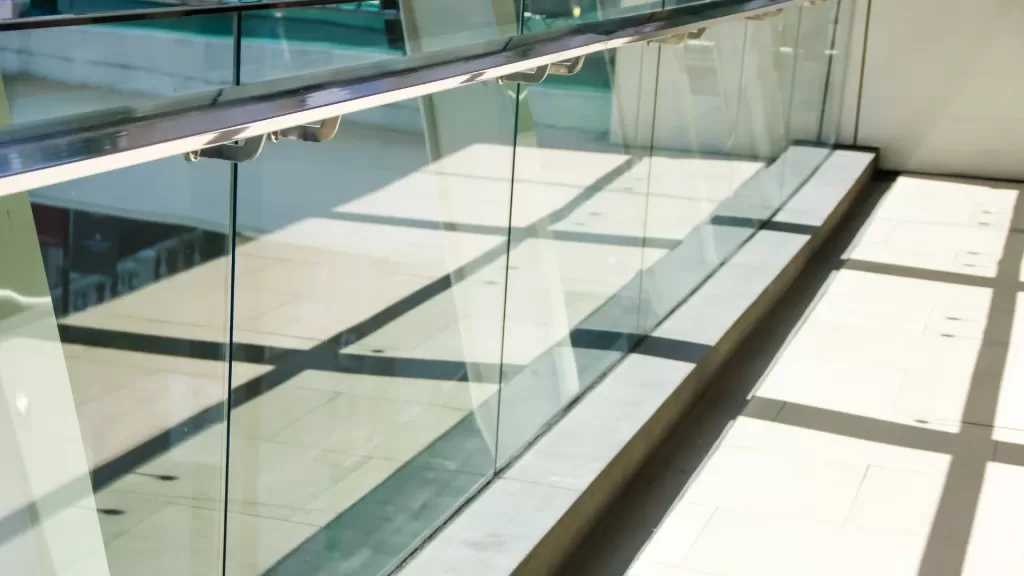
Proper installation and maintenance are vital for the performance and longevity of both fire rated glass and tempered glass. Correct installation ensures that the glass meets safety and regulatory standards, while effective maintenance helps in preserving clarity and structural integrity. By adhering to guidelines specific to each type, you can maximize their benefits and prevent potential hazards.
Installation Requirements
Your installation process should comply with local building codes and regulations. Fire rated glass requires specific framing and glazing methods to maintain its fire-resistant properties. Ensure that qualified professionals handle the installation to avoid compromising safety features. For tempered glass, look for materials that meet ANSI Z97.1 standards, and ensure proper edgework and fitment in frames to prevent breakage.
Maintenance Practices
Regular maintenance practices will extend the life and performance of your glass installations. For fire rated glass, inspect for any signs of damage or wear, ensuring seals remain intact. Tempered glass maintenance involves cleaning with non-abrasive solutions to maintain clarity and checking for chips or cracks.
Routine checks every six months can significantly enhance the lifespan of your glass installations. For fire rated glass, ensure that the gaskets and seals are in prime condition, as these components play a role in holding the fire resistance rating. On the other hand, tempered glass should be inspected for thermal stress fractures, which can occur due to rapid temperature changes. Keeping the glass clean using a soft cloth and a gentle cleaner can help avoid scratches, maintaining both aesthetics and function. Taking these simple steps ensures that your installations remain safe, effective, and visually appealing over time.
Fire Rated Glass Conclusion
The distinctions between fire rated glass and tempered glass are necessary for making informed decisions in your construction or renovation projects. Fire rated glass provides protection against flames and smoke, while tempered glass offers increased strength and safety under impact. By understanding these differences, you can ensure that your choices align with your safety needs and building regulations, enhancing both functionality and security in your space.