
Wood railings have long been a staple in home design, offering warmth and a classic aesthetic. However, as contemporary architecture evolves, many homeowners are considering the sleek appeal of glass railings. In this post, we will explore the unique advantages and potential drawbacks of both options, helping you determine which railing system aligns best with your modern home. Whether you’re renovating or building from scratch, understanding these choices can enhance your overall design while ensuring safety and style.
The Allure of Transparency: Benefits of Glass Railings

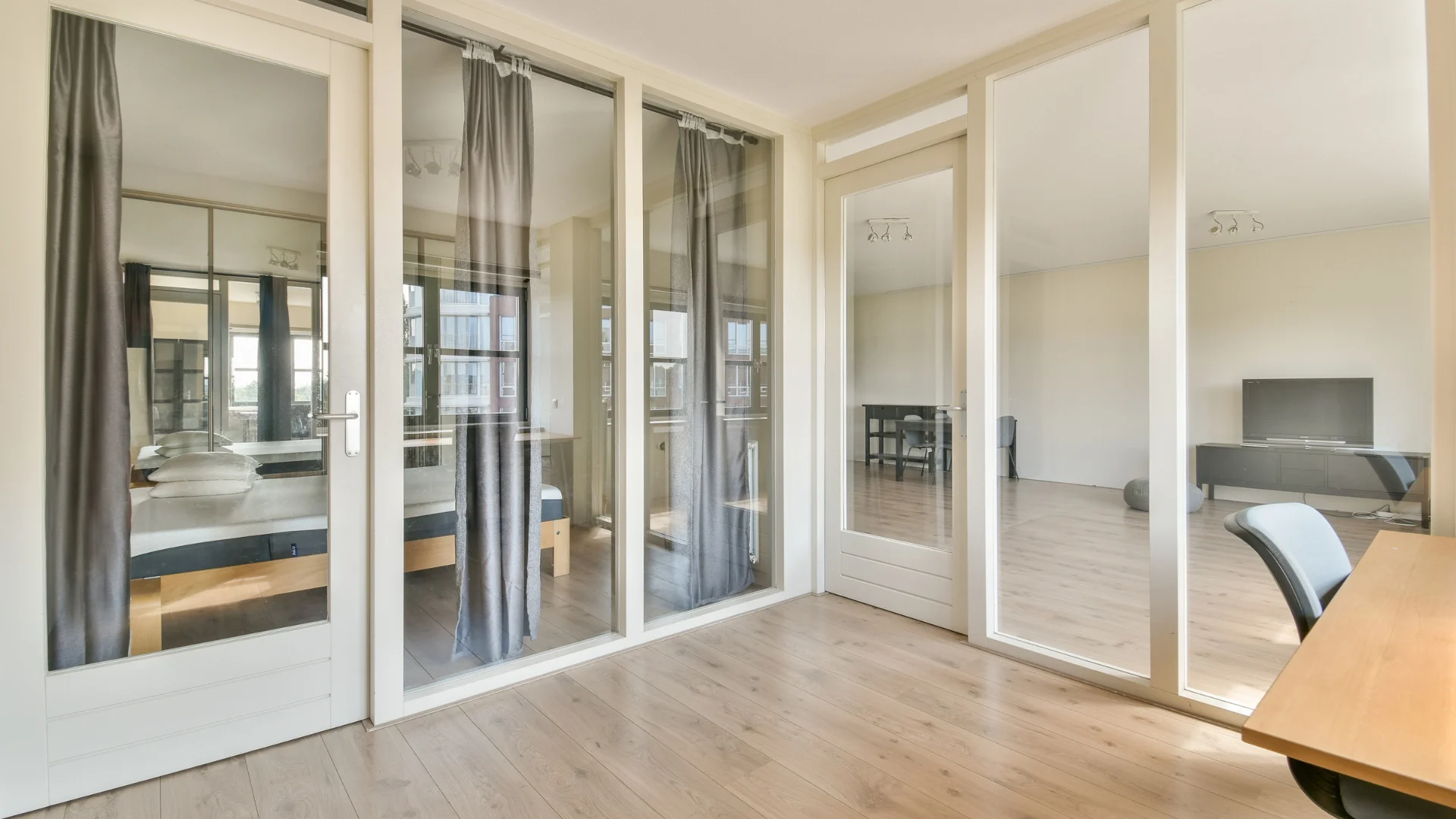
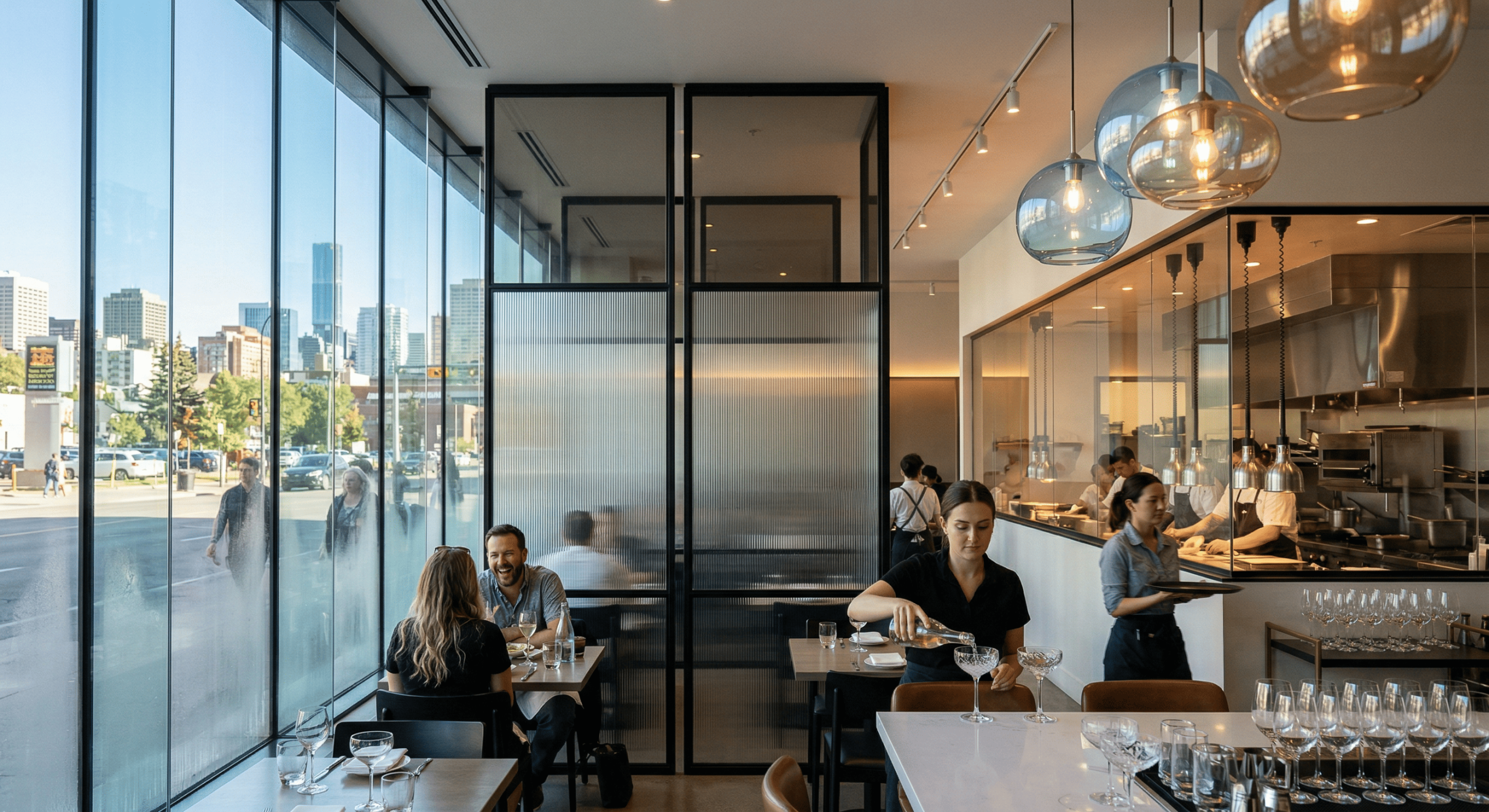
Glass railings manage to combine safety and visibility effortlessly, offering protection without obstructing your view. This transparency means that indoor and outdoor spaces feel more connected, allowing natural light to filter through and maintaining an open atmosphere. Additionally, modern tempered glass options are designed to withstand significant forces, ensuring that your spaces are secure while still appearing unobtrusive.
Glass railings provide a striking blend of beauty and functionality that elevates your home’s aesthetic. By offering unobstructed views and a sense of openness, these railings can transform spaces, making them feel larger and more inviting. Not only do they complement contemporary designs, but they also create an airy ambiance, enhancing the natural light throughout your home. This modern touch appeals to many homeowners looking to embrace minimalist design while maintaining a stylish appearance.
Aesthetic Appeal—Minimalist and Modern Design
Choosing glass railings allows you to embrace a minimalist and modern design ethos. The sleek lines and transparent nature of glass create a seamless integration with various architectural styles, elevating the overall ambiance. You can opt for frameless designs to enhance the sense of space and light, making your interiors feel connected with the outdoors, while still adhering to a sophisticated, contemporary look.
Safety and Visibility—Balancing Open Space with Security
Glass railings manage to combine safety and visibility effortlessly, offering protection without obstructing your view. This transparency means that indoor and outdoor spaces feel more connected, allowing natural light to filter through and maintaining an open atmosphere. Additionally, modern tempered glass options are designed to withstand significant forces, ensuring that your spaces are secure while still appearing unobtrusive.
By utilizing toughened or laminated glass, you gain peace of mind knowing that safety is a priority without sacrificing elegance. Glass railings are also resistant to rust and decay, making them a durable choice for both indoor and outdoor settings. Their visibility promotes awareness of your surroundings, ensuring that both guests and family members can move freely while still feeling secure. This perfect balance of safety and openness makes glass railings ideal for modern homes, allowing you to enjoy breathtaking views without compromising on protection.
Traditional Warmth: Advantages of Wood Railings

Wood railings have an unmistakable warmth that instantly brings a sense of coziness to your home. The rich textures and natural hues of wood not only create inviting spaces but also generate a timeless aesthetic that complements various architectural styles. You can choose from a multitude of species, each with distinct character and grain patterns, allowing you to personalize your home to reflect your unique style while enjoying the traditional appeal that wood offers.
Timeless Charm—Craftsmanship and Natural Beauty
The craftsmanship involved in creating wood railings often showcases intricate details and bespoke designs that simply cannot be replicated with synthetic materials. This artistry results in handcrafted pieces that lend a sense of authenticity and elegance to your space. The natural beauty of wood, with its unique knots and variations, adds depth and character that resonates with homeowners who appreciate the finer aspects of design.
Durability and Maintenance—Long-Term Considerations
Wood railings can stand the test of time, but they do require a level of upkeep not found with glass alternatives. You may need to sand, stain, or seal the wood periodically to preserve its appearance and prevent degradation from moisture or pests. Though potential buyers should be aware of maintenance efforts, choosing high-quality woods can significantly enhance durability, allowing your railings to serve you well for years to come.
With proper care, a well-constructed wood railing can last decades, making it a worthy investment. Regular inspections and touch-ups will help you catch issues early, such as splintering or soft spots, which can lead to more significant problems down the line. Additionally, investing in pressure-treated or naturally durable woods can mitigate common issues like rot and insect damage, ensuring that your railings remain beautiful and functional throughout their lifecycle. Your commitment to maintenance becomes an opportunity to bond with your home’s features, celebrating their evolution over time.
Cost Comparisons: Worth the Investment?
| Glass Railings | Traditional Wood Railings |
|---|---|
| Higher initial installation costs due to materials and complexity | Lower upfront costs, but more frequent maintenance expenses over time |
| Long-lasting and durable, potentially increasing home value | May require replacement or repairs, impacting long-term investment |
Initial Expenses—Installation and Material Prices
Glass railings generally come with a higher price tag, often ranging from $100 to $300 per linear foot, depending on the design and thickness of the glass. Installation also tends to be more complex, requiring professionals who can increase labour costs. In contrast, traditional wood railings are more budget-friendly, typically costing between $30 to $70 per linear foot, allowing for a more economical initial investment.
Long-Term Value—Resale Impact and Maintenance Costs
The value of your railing investment extends beyond initial expenses. Glass railings can enhance curb appeal and modern aesthetics, potentially increasing your home’s resale value. Maintenance costs are also lower, as glass is resistant to rust, decay, and fading. In contrast, wood railings often require staining, sealing, and periodic repairs due to environmental wear. The long-term investment in glass railings may prove more advantageous, as buyers often seek homes with contemporary features, viewing them as more desirable.
Ultimately, the long-term benefits significantly favour glass railings in terms of resale value and maintenance. A well-maintained glass railing system not only stands the test of time but enhances your home’s overall charm. As potential buyers are increasingly drawn to modern, sleek designs, having a glass railing can be a key selling point, allowing you to recoup your initial investment and possibly earn even more at resale. This underscores the importance of evaluating both upfront costs and long-term returns when considering which type of railing to install.
Environmental Considerations: Sustainability in Choices

Evaluating the environmental impact of your railing choice involves scrutinizing material production, resource use, and longevity. Both glass and wood have their own merits and drawbacks when it comes to sustainability. Understanding these aspects can help you make an informed decision that aligns with your eco-friendly values while enhancing the aesthetics of your modern home.
Eco-Friendly Materials—Glass vs. Wood Production Footprint
Wood railings, particularly when sourced from sustainably managed forests, can be a renewable resource with a lower production footprint. In contrast, the production of glass requires significant energy and resources, although recycled glass options reduce this impact. Choosing locally sourced materials, whether wood or glass, can further minimize your environmental footprint by reducing transportation emissions.
Longevity and Resource Use—Impacts on Sustainability
Longevity plays a decisive role in the sustainability of railings. While wood may require regular maintenance and eventual replacement, glass railings can last decades with minimal upkeep. Choosing long-lasting options positively impacts resource use; it leads to fewer materials consumed over time for repairs or replacements. Invest in high-quality glass railings to enjoy not just modern aesthetics, but also a sustainable solution that will stand the test of time.
Focusing on longevity, glass railings often come with warranties that promise durability for over 20 years, significantly outpacing traditional wood railings, which may only last around 10-15 years, depending on climate and maintenance. This reduced frequency of replacement not only conserves the resources needed to fabricate new materials but also minimizes waste in landfills. By opting for high-quality glass, you align both your aesthetic preferences and sustainability goals, making a proactive choice for the environment while enjoying the sleek elegance of modern design.
Style Compatibility: Matching Railings to Modern Home Aesthetics

In selecting railings, aligning with the overall design of your modern home is vital for creating a cohesive look. Glass railings seamlessly blend into minimalist and contemporary settings, allowing natural light to flow unimpeded while providing unobstructed views. On the other hand, traditional wood railings radiate warmth and character, appealing to craftsman and rustic styles. Choosing the right material enhances not just your railing’s function but also its contribution to your home’s visual story.
Designing with Purpose—Aligning with Overall Home Style
Your home’s architecture and interior style should guide your railing choice. For instance, if your home features sleek lines and sharp angles, glass railings would complement this aesthetic beautifully. In contrast, a farmhouse-style home with exposed beams and rustic charm would benefit from wooden railings that echo those textured elements. The goal is to achieve harmony that elevates the overall design.
Trend Integration—How Railings Influence Modern Interior Design
Current trends in interior design show a strong inclination towards open spaces, and the choice of railing can significantly impact this feel. Glass railings not only provide safety but also enhance the openness of rooms by visually connecting different areas. Conversely, wood railings can bring a touch of traditional elegance if used thoughtfully. Paying attention to these elements can set the stage for creating a stylish and functional living space.
As spaces become more open and fluid, the integration of trend-responsive railings has never been more significant. Designers are increasingly opting for frameless glass systems that amplify the feeling of airiness while showcasing stunning views. Artful wooden rail designs, with intricate balusters and handrails, are also making a comeback, providing a striking contrast in lighter modern spaces. These choices not only serve a practical function but also contribute to the tree of modern aesthetics, making your home truly reflect your style and taste.
Summary for Glass Railings vs. Traditional Wood Railing
Taking this into account, you can decide between glass railings and traditional wood railings based on your aesthetic preferences, maintenance requirements, and the overall design of your modern home. If you prioritize an unobstructed view and contemporary elegance, glass railings may be the ideal choice for you. However, if you seek warmth and a classic touch, traditional wood railings might better suit your style. Ultimately, consider the functionality and ambiance you desire to create in your space, ensuring that your choice complements your home’s unique character.