
There is a short answer to this and a longer one. The short answer: the best time to repair a chip is as soon as you notice it, because waiting is what lets a small chip turn into a crack that needs a whole new windshield. The longer answer is that the seasons do affect a repair, mild ones make it easier and the busy ones mean longer waits, so it is worth knowing how each one plays out. Here is how spring, summer, fall and winter affect a windshield repair in Alberta, and why now almost always beats later.
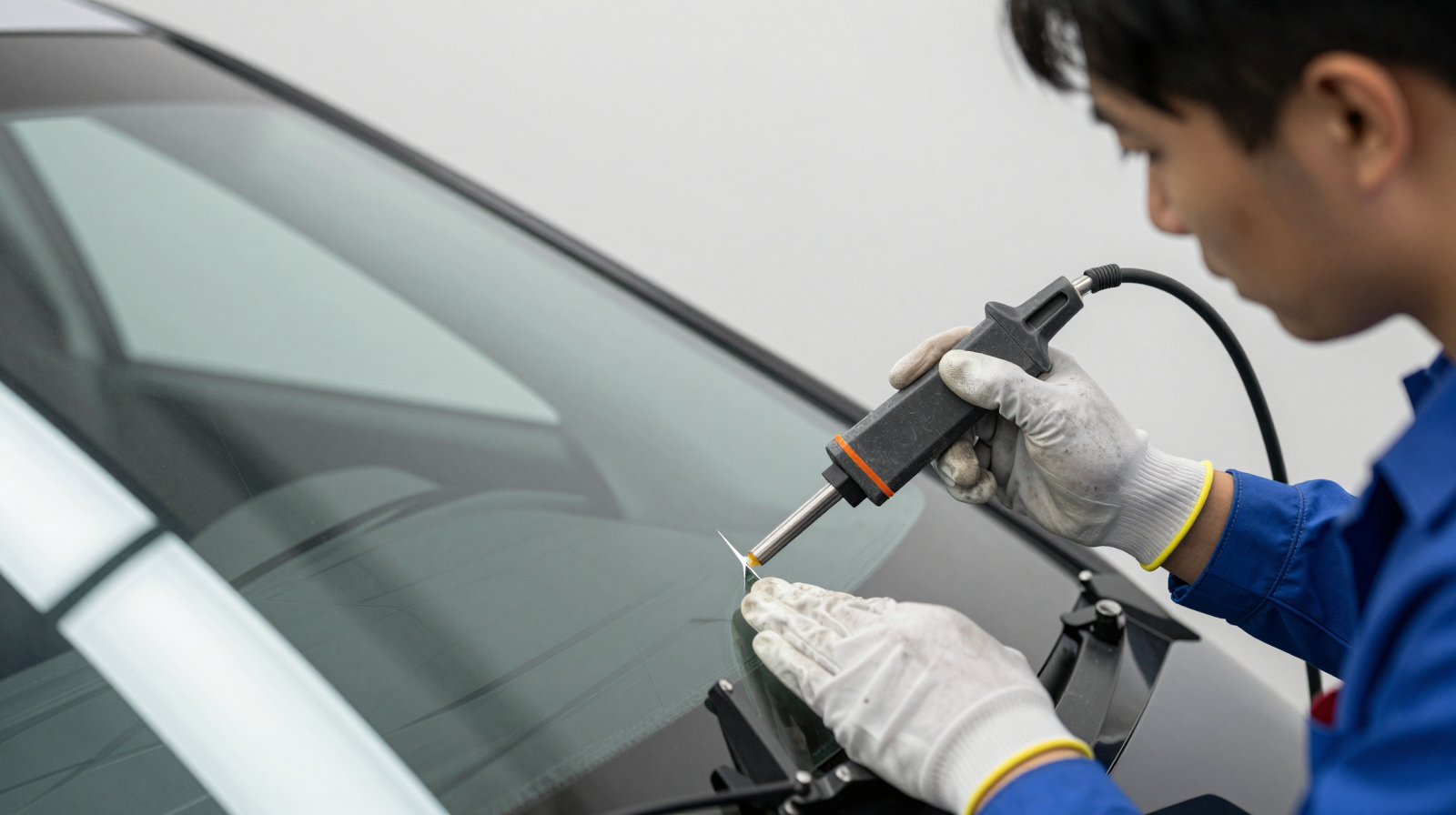
The real answer: do not wait for the perfect season
Before the season-by-season detail, the honest headline: the single best time to fix a chip is promptly, whatever the month. Left alone, temperature swings, road vibration and the daily cycle of cold glass meeting a hot defroster drive a stable chip into a running crack, and once it spreads past repairable limits you are paying for a replacement instead. It also helps to know that a proper shop does repairs indoors in controlled conditions, so it can get a good resin cure year-round. Weather matters most for mobile and roadside repairs, and for how fast an unrepaired chip grows, not for whether a shop can fix it well in January.
Why mild weather helps: spring and fall
The repair itself relies on a resin that bonds and cures best in moderate temperatures. Very cold conditions slow the cure, and high heat or humidity can interfere with it, so a dry, mild day is the easiest setting for a clean repair, which is why spring and fall are the friendliest seasons, especially for mobile work done outside a shop. Spring has a second pull, too: it is when the chips picked up over winter tend to surface and when people prep their vehicles for summer trips, which is the same prompt behind our spring windshield repair guidance. A mild spring day and a fresh chip are a good match for a quick fix.
Summer: longer days, busier shops
Summer has clear advantages and a couple of catches worth planning around:
| Summer pros | Summer cons |
|---|---|
| Long daylight and easy scheduling | Heat helps an existing chip spread faster |
| Warm conditions help resin cure quickly | More cars and road debris mean more damage |
| Good weather for getting to the shop | Peak demand can mean longer waits |
The heat point is the one to watch: hot glass on the outside and an air-conditioned cabin on the inside is exactly the kind of temperature split that pushes a chip into a crack. With more vehicles on the road and more flying gravel, summer also produces more damage and busier shops, so if you pick up a chip, book it early rather than letting it ride through the season.
Fall: the quiet sweet spot, and a chance to beat winter
Fall may be the best window of all. The temperatures are moderate, so repairs cure well, and shops are generally less rushed than in summer or the winter rush. More important is the timing: fall is the moment to fix damage before the cold arrives, because once winter sets in, the freeze-thaw swings and the cold-glass-versus-hot-defroster cycle make cracks spread quickly. Getting a chip sorted ahead of the season is the whole idea behind repairing a chip before the first frost. Deal with it in the calm of fall and you avoid the winter scramble.
Winter: hardest on glass and on repairs
Winter is the toughest season on both counts. Cold slows the resin cure and makes glass more brittle, the sharp swing between freezing glass and a blasting defroster spreads existing cracks fast, and snow and ice can delay getting the work done at all. On top of that, a damaged windshield means worse visibility just when conditions demand the most of you. None of this means a repair cannot be done well in winter, a controlled shop manages it, but it does mean that riding out the cold with known damage is the worst plan. If you head into winter with a chip, as our winter-proofing guidance stresses, deal with it rather than hoping it holds.
When, and how, to book
Practically, book promptly once you notice damage, and if you have a choice, a weekday mid-morning or early afternoon often means a shorter wait. Because a proper shop repairs year-round in controlled conditions, there is no good reason to postpone a fixable chip while waiting for spring. One caveat: if the damage has already grown past repairable limits, a crack longer than about 150 mm, in your line of sight or at the edge, it becomes a replacement rather than a repair to the auto glass safety standard, and a vehicle with a camera behind the windshield then needs a driver-assistance recalibration. The earlier you act, the more likely you stay on the cheaper side of that line.
FAQs
Ready to get help with your glass issue?
Spotted a chip? The best time to fix it is now, not next season. Request a free quote or book a repair. The team handles auto glass repair and replacement across Alberta. Call 310-GLAS (4527), text 780-652-1296, or book online.