
The snow melts, the days stretch out, and most Alberta drivers are ready to forget the winter. The trouble is that the windshield often carries the season with it. Months of road gravel, sharp temperature swings and morning ice-scraping leave behind chips and stress that you may not notice until spring weather turns a small mark into a crack across your view. That is why a quick windshield check belongs near the top of the spring maintenance list, and Crystal Glass sees the proof of it across Alberta and Western Canada every April.
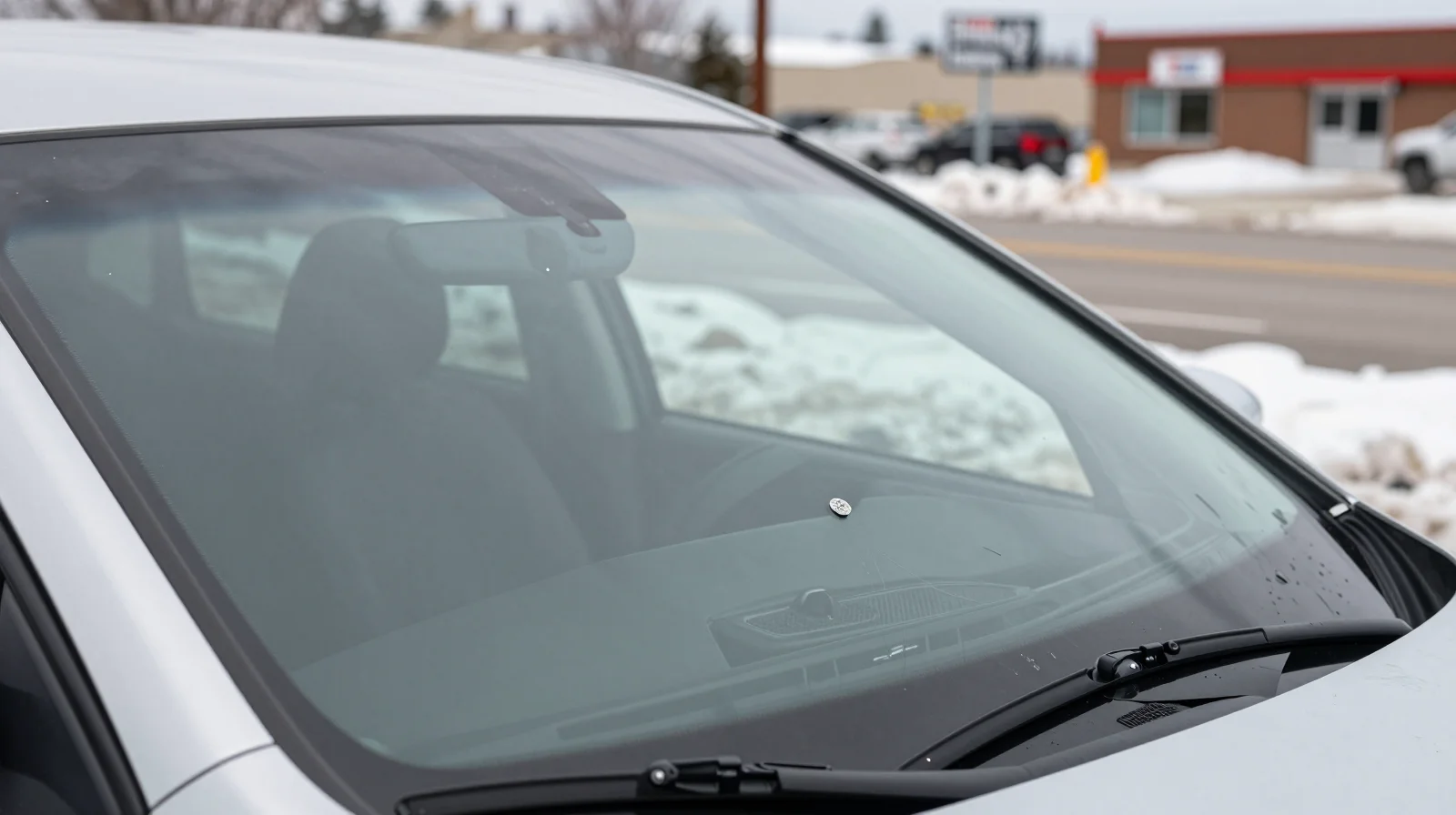
What winter does to a windshield
To see why spring matters, look at what the glass goes through from November to March. Three things do most of the damage:
Sand, salt and gravel. The grit that gives tires traction on ice also gets thrown up at highway speed, turning small stones into projectiles that leave bullseye and star chips.
Thermal shock. Glass expands when warm and contracts when cold. A windshield sitting at minus 20 while the defrost blasts hot air across the inside takes real stress from that gap in temperature, which can start or grow a crack.
The ice scraper. Hacking at thick frost with a hard scraper, often in a hurry, can scratch the glass or work on a chip you did not know was there.

Why spring is when small chips spread
Spring is harder on a damaged windshield than winter is, because the conditions change so quickly. Meltwater runs into a chip during a warm afternoon, then freezes overnight and expands, prying the crack open like a wedge. A single freeze-thaw cycle can turn a coin-sized chip into a long crack. On top of that, spring rain throws glare across an uneven glass surface and makes a compromised windshield harder to see through, the first potholes of the season send a jolt through the frame that can finish off a weak spot, and street sweepers stir up the last of the winter gravel for one more round of stone chips. A windshield that is sound before all that is far less likely to fail during it.
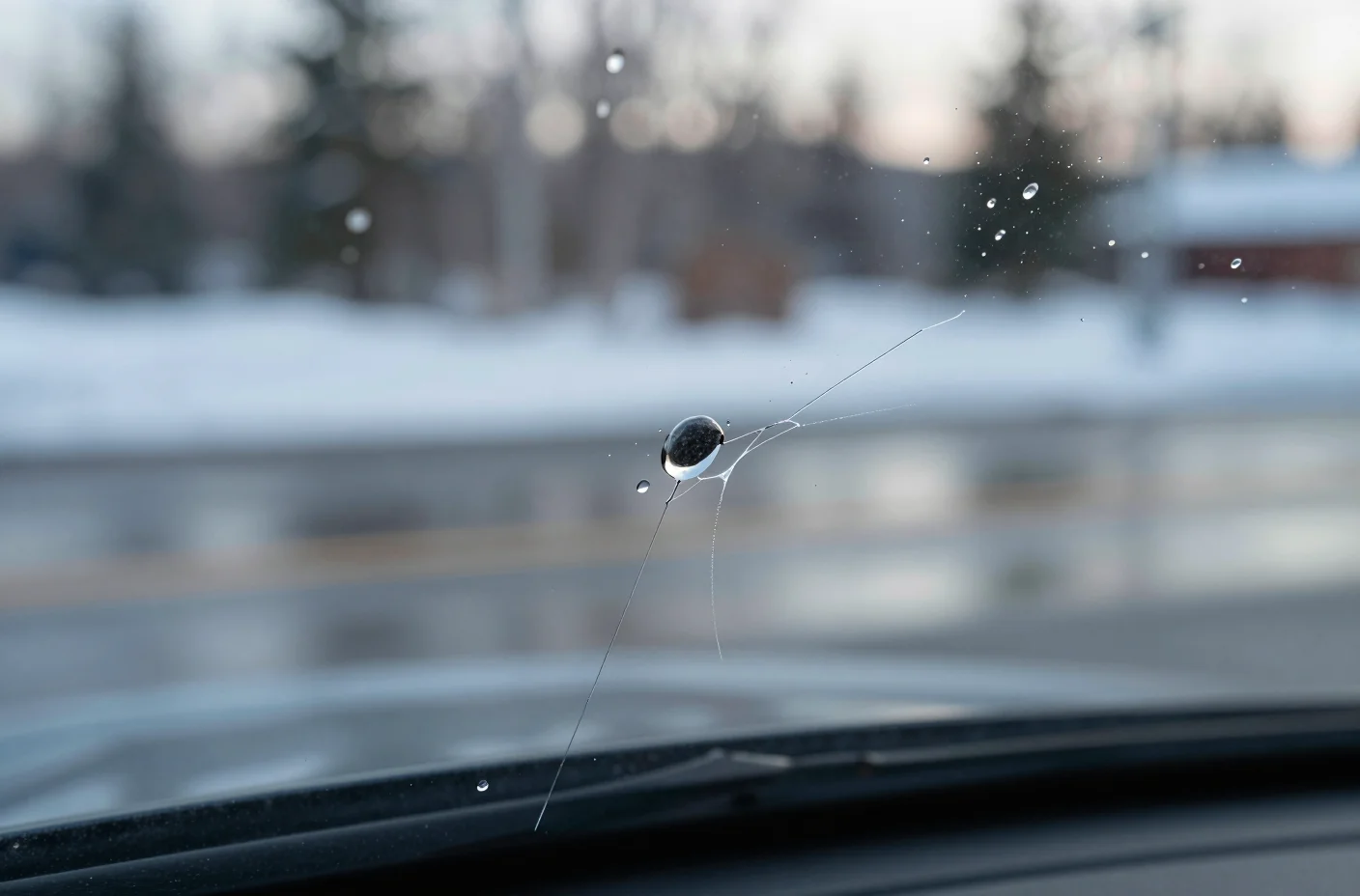
Repair or replacement this spring?
Most fresh chips can be repaired, which preserves the original factory seal and costs far less than a new windshield. The decision comes down to the size, depth and location of the damage, the same limits the auto glass safety standards are built around. The table below is the quick version, and there is a fuller breakdown in our guide to windshield repair versus replacement.
Factor
Damage size
Depth
Location
Time
ADAS
Cost
Windshield repair
Chip up to about a toonie (28 mm), or a crack under roughly 75 mm (3 in)
Outer glass layer only
Outside the line of sight, away from the edge
About 30 to 45 minutes; drive away right after
Usually no recalibration
Lower; often covered with no out-of-pocket
Windshield replacement
Larger chips, or cracks longer than about 150 mm (6 in)
Through to the inner layer or the PVB interlayer
In the driver's line of sight, or touching the edge
Up to a few hours, plus safe drive-away time
Recalibration on camera-equipped vehicles
Higher; a deductible or out-of-pocket may apply

The technology in the glass: ADAS
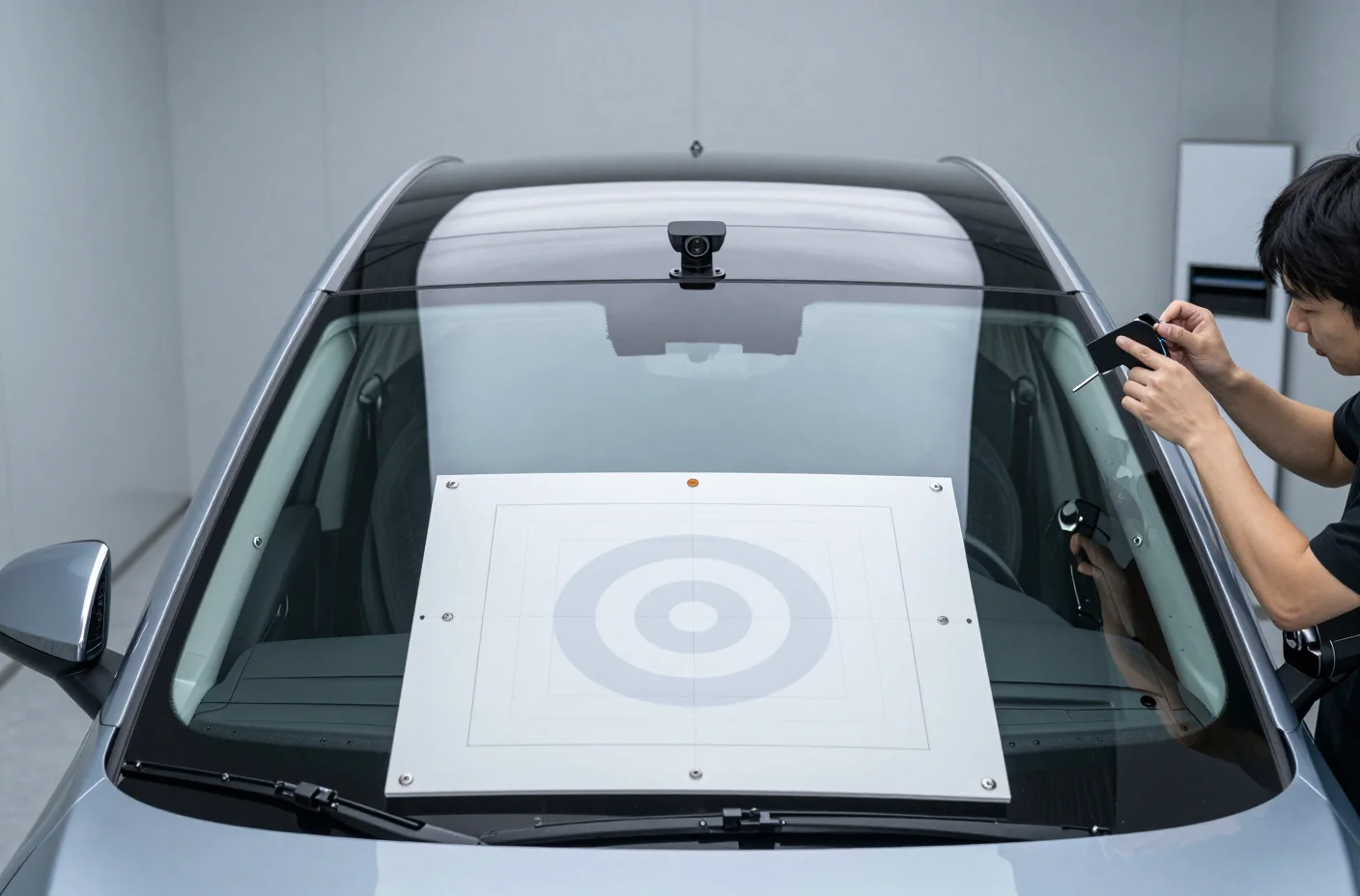
A modern windshield is not just curved glass. Many vehicles carry a forward-facing camera behind it that runs lane-departure warning, automatic emergency braking, adaptive cruise control and collision avoidance, along with rain sensors. Those cameras look through the glass, so when a windshield is replaced on one of these vehicles the camera has to be recalibrated to aim correctly. A small misalignment at the camera becomes a meaningful error in where the system thinks the road and other vehicles are, which is why recalibration is part of the job rather than an upsell. There is more on the triggers and the process in our piece on ADAS recalibration.
Why DIY kits are a false economy
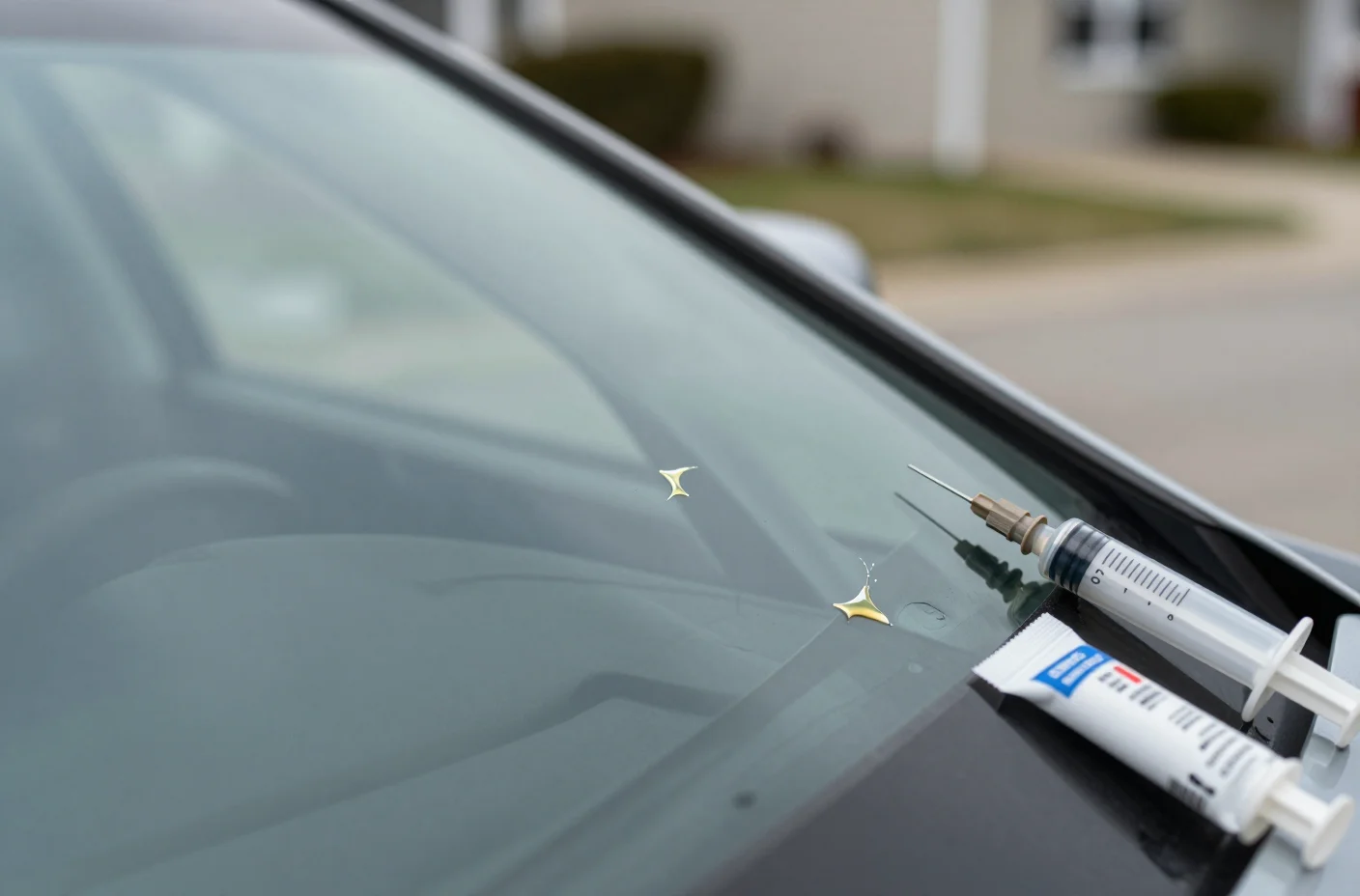
Over-the-counter resin kits look like a cheap way to handle a spring chip, but they tend to cost more in the end. A professional setup pulls a vacuum on the break to draw out trapped air and moisture before injecting resin, and uses resin matched to the optical clarity and expansion of auto glass. A hand kit cannot pull that vacuum and often uses a general resin that can cloud or yellow. The bigger risk is that once a kit’s resin has cured in the chip, a shop can no longer re-treat it, so a failed attempt can force a full replacement. The trade-offs are laid out in our look at DIY windshield repair kits.
FAQs
Ready to get help with your glass issue?
Before the first long road trip, take two minutes to look over the glass. If you spot a chip, request a free quote, and the team will tell you whether a repair will hold or a replacement is the safer call, and bill the insurance claim where it applies. Call 310-GLAS (4527), text 780-652-1296, or book online.